1
Grind the peanuts
Blend roasted peanuts in a food processor until they form a thick paste, similar to peanut butter.
Crunchy groundnut crackers made by extracting the oil from peanut paste, then shaping and deep-frying the remaining cake. A beloved protein-rich snack.
Use this overview to check the occasion, serving ideas, regional context, and cooking commitment before you begin.
Best for Snack. Plan on a medium cook and about 45 minutes total.
On its own or crumbled over salads
Kuli-Kuli appears in 2 AfroKitchen collections. Start with Vegetarian Africa if you want more dishes in the same mood. Vegetarian Africa
Benin national table. A structured Benin dish in the AfroKitchen archive.
Each recipe supports one main image and up to four extra prep, serving, or step photos when they are available.
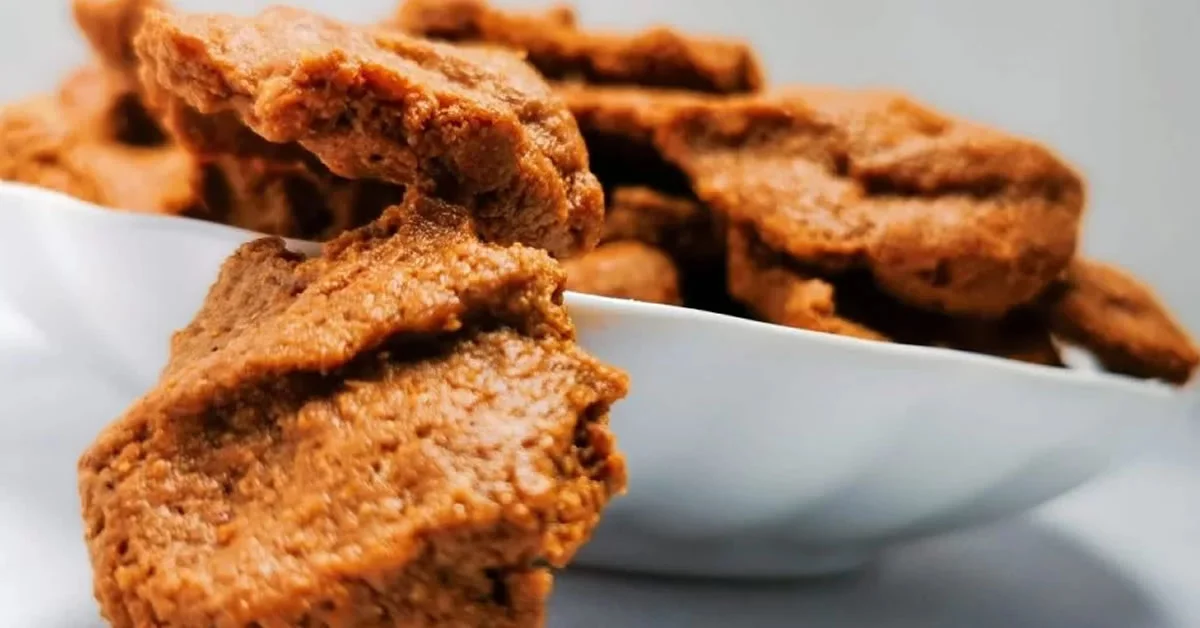
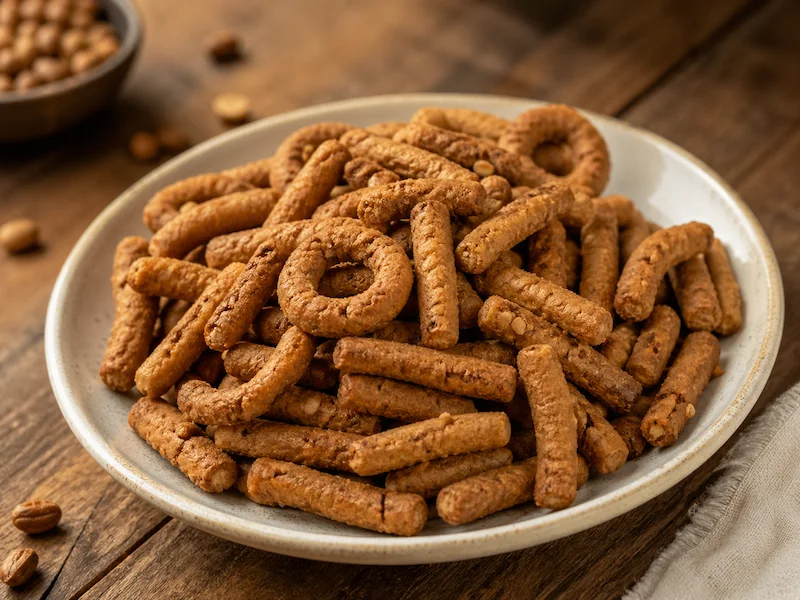
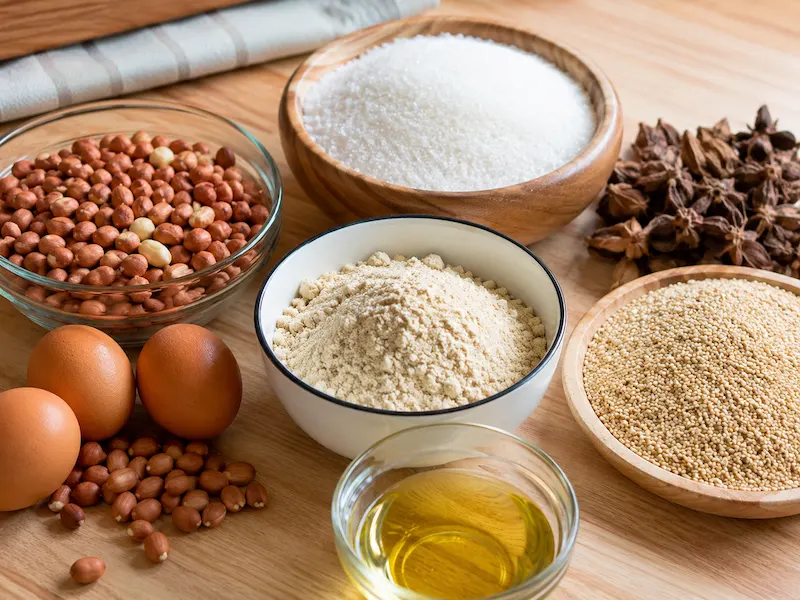
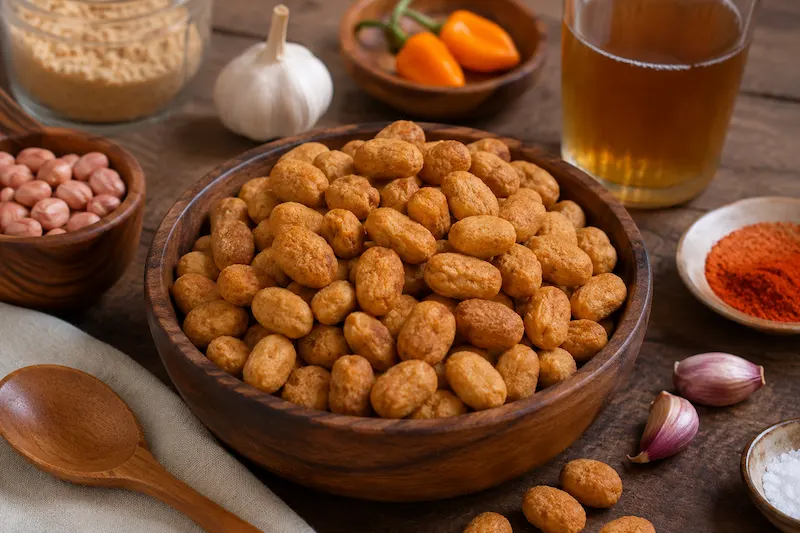
On its own or crumbled over salads
Benin national table
Keep the rhythm calm, watch the texture, and adjust seasoning at the end.
Every household has small variations. Start here, then adjust seasoning, heat, and serving sides to your kitchen.
Follow country, category, collection, time, and pairing paths without turning the recipe page into a link farm.
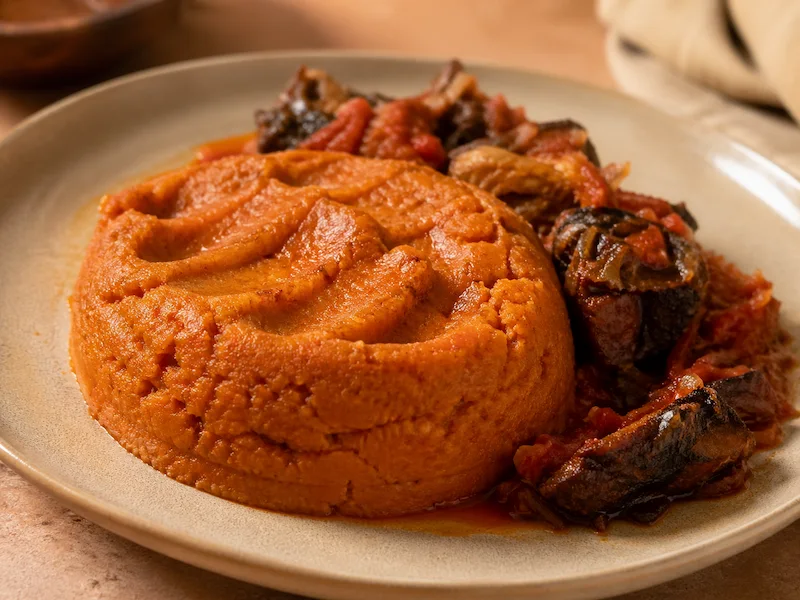 Benin
Main dish
Amiwo
A savoury red corn porridge cooked in a rich tomato and crab sauce. The cornmeal absorbs the tomato colour and flavour, tur...
Open recipe
Benin
Main dish
Amiwo
A savoury red corn porridge cooked in a rich tomato and crab sauce. The cornmeal absorbs the tomato colour and flavour, tur...
Open recipe
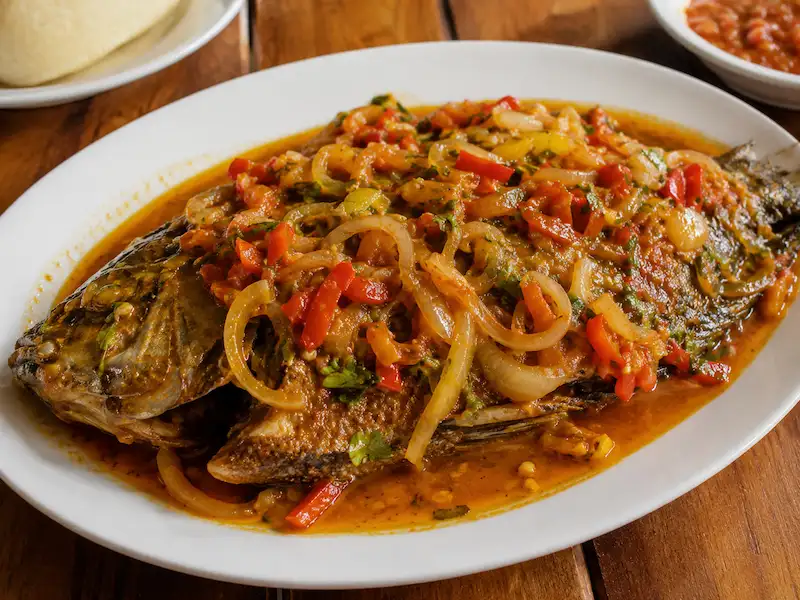 Benin
Recipe
Poisson au Moyo
Beninese grilled fish with a bright raw-style tomato, onion, lemon, herb, and chili moyo sauce.
Open recipe
Benin
Recipe
Poisson au Moyo
Beninese grilled fish with a bright raw-style tomato, onion, lemon, herb, and chili moyo sauce.
Open recipe
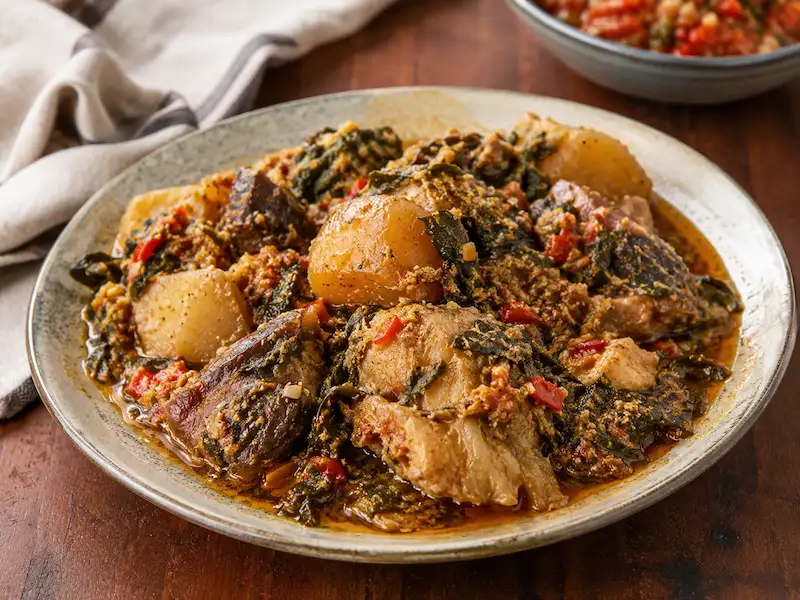 Benin
Main dish
Dakouin
Mono-region Beninese fish, tomato, and gari dish where cassava granules thicken a deeply seasoned fish broth.
Open recipe
Benin
Main dish
Dakouin
Mono-region Beninese fish, tomato, and gari dish where cassava granules thicken a deeply seasoned fish broth.
Open recipe
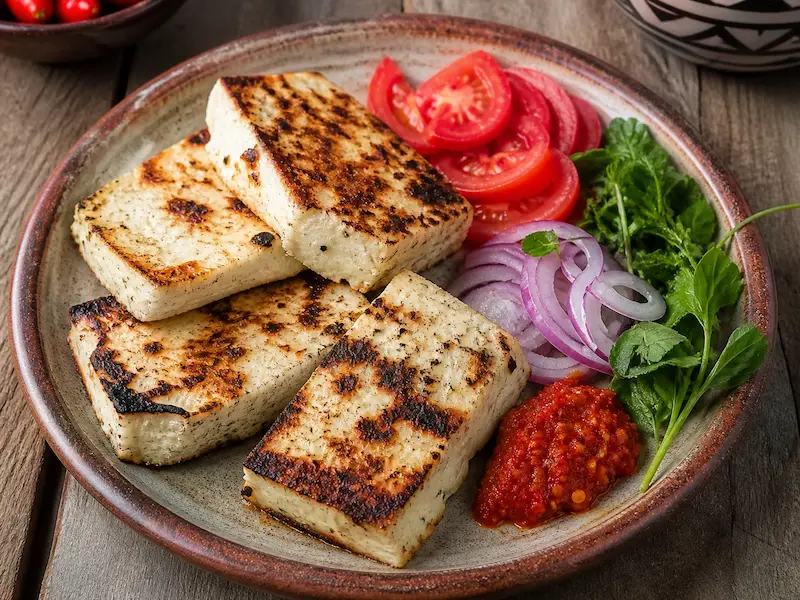 Benin
Snack
Grilled Wagasi
Beninese soft white cheese grilled until golden and served with a spicy piment sauce. A unique West African cheese snack wi...
Open recipe
Benin
Snack
Grilled Wagasi
Beninese soft white cheese grilled until golden and served with a spicy piment sauce. A unique West African cheese snack wi...
Open recipe
Stay inside the Benin country hub.
Compare dishes in the same course or cooking style.
Continue through Vegetarian Africa.
Pick another dish with a nearby time commitment.
Pair a main, side, drink, or dessert where the atlas has a useful match.