1
Color the cooking water
Rinse the sorghum leaves and simmer them in water until the water turns reddish-brown.
Steep leaves
20:00
A Ghanaian rice and beans dish cooked with dried sorghum or millet leaves for its signature reddish-brown color.
Tap each ingredient as you gather it. Illustrations are visual guides; follow the ingredient names and quantities.
Keep the rhythm calm, watch the texture, and adjust seasoning at the end.
Some cooks use red beans rather than black-eyed peas. Accompaniments vary from simple shito and egg to fully loaded street plates.
Serving ideas, regional context, and cooking cues for when you want more detail.
Best for breakfast, lunch packs, street-food plates, and weekend family meals.. Plan on a medium cook. Allow about 95 minutes total.
Shito, tomato stew, gari, spaghetti, boiled egg, fried plantain, salad, fish, beef, or chicken.
Rice, beans, and street table. Waakye, jollof, kelewele, and lunch-counter plates with many sides.
shito, palm oil, sorghum leaves, fermented corn dough, groundnut
Take a closer look at the dish and its serving ideas.

Shito, tomato stew, gari, spaghetti, boiled egg, fried plantain, salad, fish, beef, or chicken.
Rice, beans, and street table
Find a side dish or your next recipe from the same country or collection.
 Ghana
Main dish
Ghanaian Jollof Rice
Ghanaian jollof rice with basmati rice steamed in a reduced tomato, onion, ginger, garlic, chile, and bay-leaf stew.
Open recipe
 Ghana
Stew
Red Red
A Ghanaian black-eyed pea stew cooked with red palm oil and served with fried ripe plantain.
Open recipe
 Ghana
Main dish
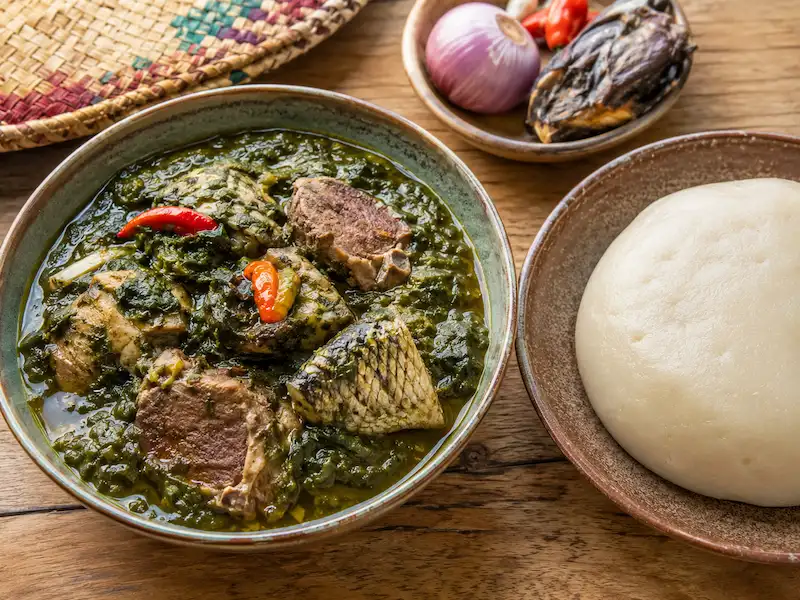
Tuo Zaafi with Ayoyo Soup
Northern Ghanaian maize swallow served with slippery ayoyo soup and a tomato-pepper stew.
Open recipe
 Ghana
Soup
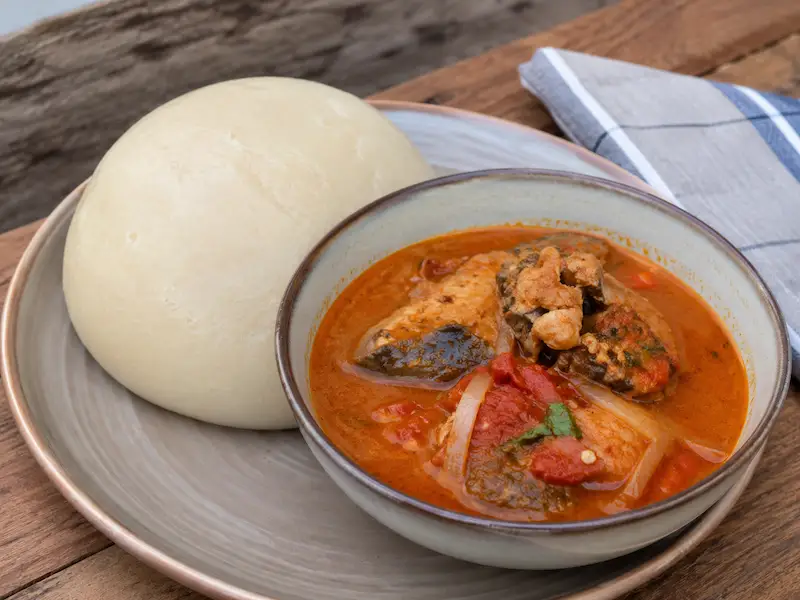
Fufu with Light Soup
Ghanaian cassava-plantain fufu served with peppery tomato-based light soup and goat, chicken, or fish.
Open recipe
Stay inside the Ghana country hub.
Compare dishes in the same course or cooking style.
Pick another dish with a nearby time commitment.
Pair a main, side, drink, or dessert where the atlas has a useful match.