1
Boil Water
Bring 3 cups of water to a boil. Add salt.
Boil
10:00
Northern Malawian cassava-flour staple cooked into a sticky, elastic mound and served with fish or vegetable relish.
Use this overview to check the occasion, serving ideas, regional context, and cooking commitment before you begin.
Best for everyday meals. Plan on a easy cook and about 35 minutes total.
Chambo, dried fish relish, mustard greens, or tomato-onion ndiwo
Vegetarian Africa is the easiest collection to explore after this dish. Vegetarian Africa
Malawi national table. A structured Malawi dish in the AfroKitchen archive.
Each recipe supports one main image and up to four extra prep, serving, or step photos when they are available.
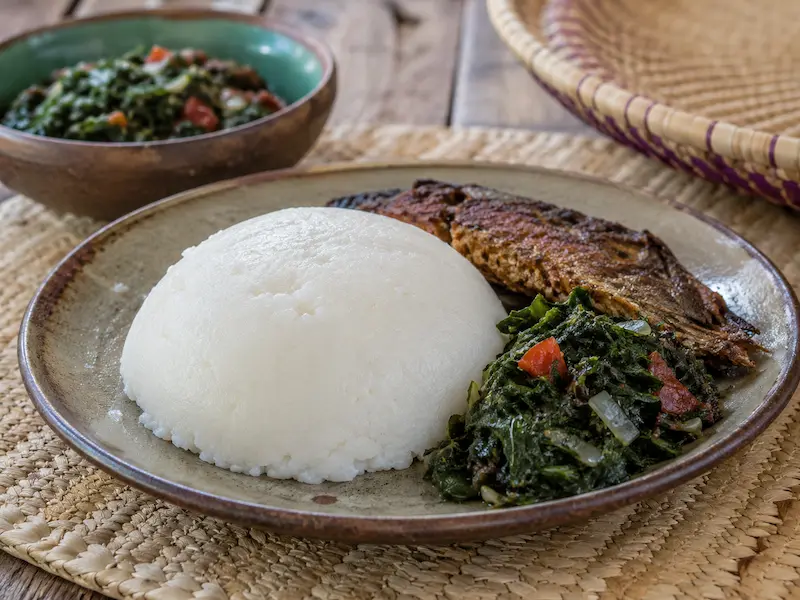
Chambo, dried fish relish, mustard greens, or tomato-onion ndiwo
Malawi national table
Keep the rhythm calm, watch the texture, and adjust seasoning at the end.
Every household has small variations. Start here, then adjust seasoning, heat, and serving sides to your kitchen.
Follow country, category, collection, time, and pairing paths without turning the recipe page into a link farm.
 Malawi
Recipe
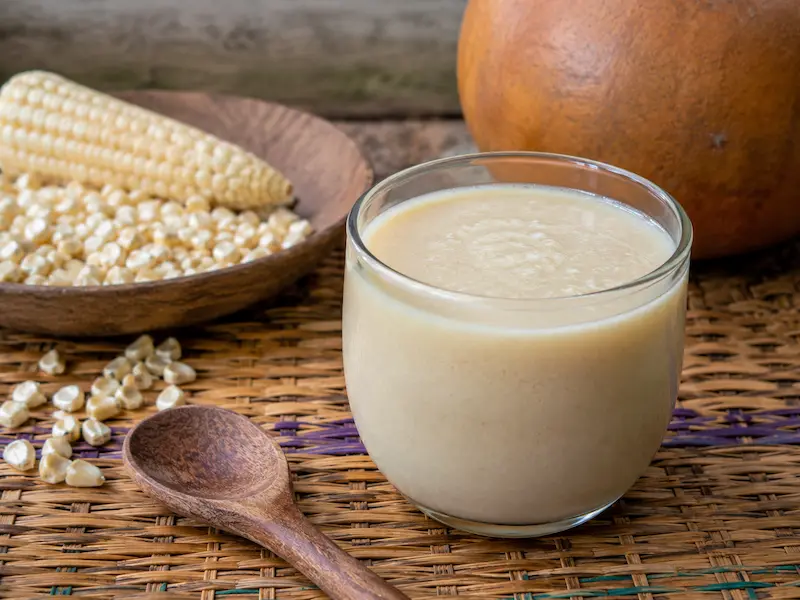
Thobwa
Thobwa is a drink with maize and millet flour, malted grain. Serve
Open recipe
Malawi
Recipe
Kondowole
Kondowole is a starch with cassava flour, hot water and salt. Serve
Open recipe
Malawi
Recipe
Thobwa
Thobwa is a drink with maize and millet flour, malted grain. Serve
Open recipe
Malawi
Recipe
Kondowole
Kondowole is a starch with cassava flour, hot water and salt. Serve
Open recipe
 Malawi
Snack
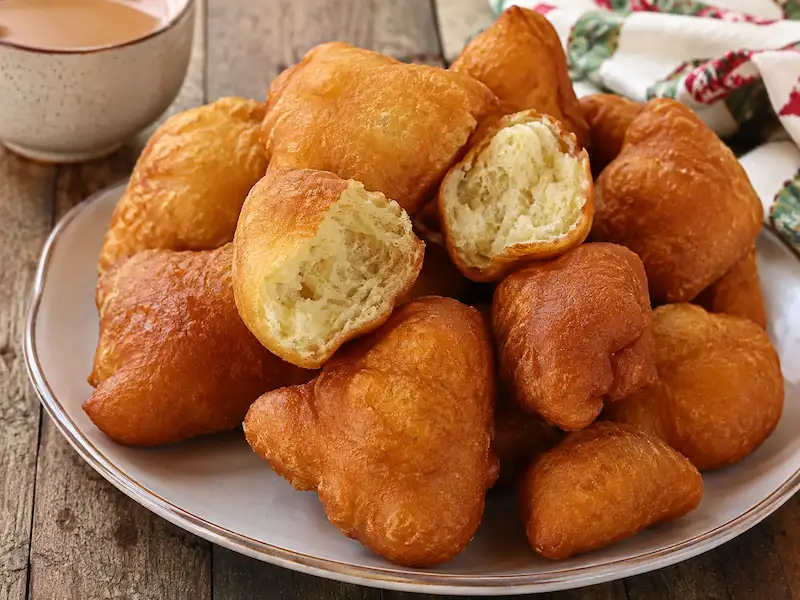
Malawian Mandasi
Malawian Mandasi is a snack with wheat flour, coconut milk and cardamom. Serve
Open recipe
Malawi
Main dish
Nsima with Chambo
Malawian nsima served with grilled chambo or tilapia, tomato-onion ndiwo, lemon, and a firm maize-meal mound.
Open recipe
Malawi
Snack
Malawian Mandasi
Malawian Mandasi is a snack with wheat flour, coconut milk and cardamom. Serve
Open recipe
Malawi
Main dish
Nsima with Chambo
Malawian nsima served with grilled chambo or tilapia, tomato-onion ndiwo, lemon, and a firm maize-meal mound.
Open recipe
Stay inside the Malawi country hub.
Compare dishes in the same course or cooking style.
Continue through Vegetarian Africa.
Pick another dish with a nearby time commitment.
Pair a main, side, drink, or dessert where the atlas has a useful match.